| Availability: | |
|---|---|
| Quantity: | |
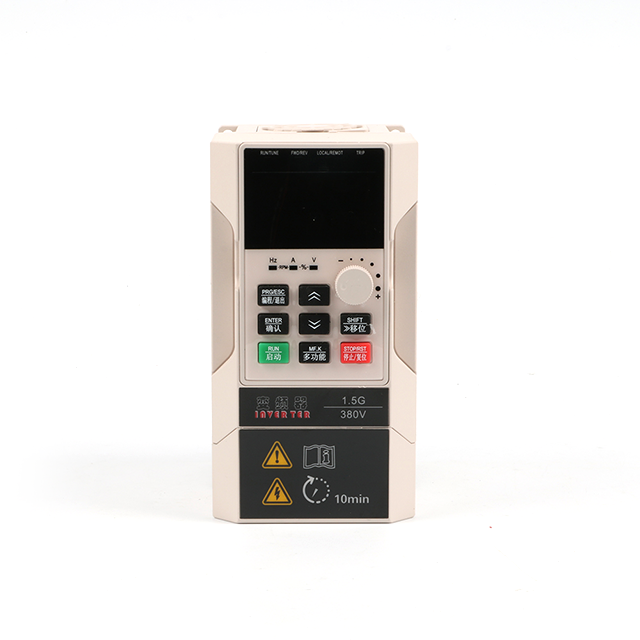
The VFD for Air Compressor Control represents a specialized motor control solution engineered specifically to optimize the performance of air compressor systems in industrial and commercial applications. This advanced variable frequency drive regulates motor speed based on actual air demand, eliminating the energy waste associated with traditional load/unload compressor operation. By converting fixed AC input to adjustable frequency output, the VFD enables precise control of compressor speed, pressure, and airflow, resulting in significant energy savings and extended equipment life. Compliant with IEC 60947-4-2 and EN 61800-3 standards, this robust drive integrates seamlessly with both new compressor installations and retrofit projects across various compressor types. Its compressor-specific control algorithms and protective features make it an essential component for efficient compressed air systems.
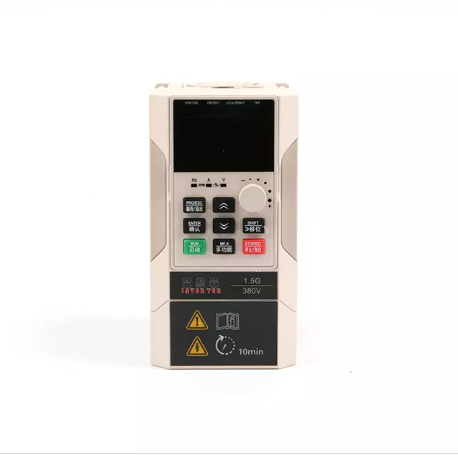
Utilizes a built-in pressure transducer and PID controller to maintain constant system pressure within ±0.2 bar while adjusting motor speed to match air demand. This eliminates pressure fluctuations and reduces energy consumption by 25-40% compared to fixed-speed operation.
Equipped with specialized protection features including anti-surge control, motor overload protection with Class 10 rating, and automatic restart with pressure equalization to prevent motor damage during startup under load.
Advanced algorithms optimize compressor cycles by analyzing demand patterns and adjusting operation to minimize unloaded running time. The VFD can control multiple compressors in a master-slave configuration to match varying demand profiles.
Optimizes operation of rotary screw and reciprocating compressors in manufacturing facilities, providing stable air supply for pneumatic tools, automated machinery, and process control systems.
Controls compressors supplying clean, dry air for packaging machinery, pneumatic conveyors, and process automation in food and beverage production facilities, ensuring consistent performance and meeting hygiene requirements.
Regulates compressed air systems powering robotic assembly lines, painting equipment, and quality control systems in automotive manufacturing plants, improving process stability and reducing energy costs.
Manages air compressors in hospitals, universities, and commercial buildings, providing efficient compressed air for HVAC systems, laboratory equipment, and facility maintenance applications.
The VFD is designed for use with rotary screw compressors, reciprocating compressors, and centrifugal compressors ranging from 7.5kW to 250kW (10HP to 335HP), making it suitable for most industrial and commercial compressed air systems.
Energy savings typically range from 25-40% compared to fixed-speed compressor operation, with the highest savings in applications with varying air demand. Facilities with significant off-peak periods can achieve even greater savings.
No, the VFD includes a built-in pressure transducer as standard equipment. For remote monitoring applications, it can also accept input from external pressure sensors or building management systems.
Yes, the integrated anti-surge protection system continuously monitors operating conditions and adjusts motor speed to prevent surge conditions, which can cause significant damage to compressor components.
The VFD is designed for minimal maintenance, requiring only annual inspection of electrical connections and cleaning of cooling vents. The drive stores diagnostic data and provides maintenance alerts when required.
The VFD for Air Compressor Control represents a specialized motor control solution engineered specifically to optimize the performance of air compressor systems in industrial and commercial applications. This advanced variable frequency drive regulates motor speed based on actual air demand, eliminating the energy waste associated with traditional load/unload compressor operation. By converting fixed AC input to adjustable frequency output, the VFD enables precise control of compressor speed, pressure, and airflow, resulting in significant energy savings and extended equipment life. Compliant with IEC 60947-4-2 and EN 61800-3 standards, this robust drive integrates seamlessly with both new compressor installations and retrofit projects across various compressor types. Its compressor-specific control algorithms and protective features make it an essential component for efficient compressed air systems.

Utilizes a built-in pressure transducer and PID controller to maintain constant system pressure within ±0.2 bar while adjusting motor speed to match air demand. This eliminates pressure fluctuations and reduces energy consumption by 25-40% compared to fixed-speed operation.
Equipped with specialized protection features including anti-surge control, motor overload protection with Class 10 rating, and automatic restart with pressure equalization to prevent motor damage during startup under load.
Advanced algorithms optimize compressor cycles by analyzing demand patterns and adjusting operation to minimize unloaded running time. The VFD can control multiple compressors in a master-slave configuration to match varying demand profiles.
Optimizes operation of rotary screw and reciprocating compressors in manufacturing facilities, providing stable air supply for pneumatic tools, automated machinery, and process control systems.
Controls compressors supplying clean, dry air for packaging machinery, pneumatic conveyors, and process automation in food and beverage production facilities, ensuring consistent performance and meeting hygiene requirements.
Regulates compressed air systems powering robotic assembly lines, painting equipment, and quality control systems in automotive manufacturing plants, improving process stability and reducing energy costs.
Manages air compressors in hospitals, universities, and commercial buildings, providing efficient compressed air for HVAC systems, laboratory equipment, and facility maintenance applications.
The VFD is designed for use with rotary screw compressors, reciprocating compressors, and centrifugal compressors ranging from 7.5kW to 250kW (10HP to 335HP), making it suitable for most industrial and commercial compressed air systems.
Energy savings typically range from 25-40% compared to fixed-speed compressor operation, with the highest savings in applications with varying air demand. Facilities with significant off-peak periods can achieve even greater savings.
No, the VFD includes a built-in pressure transducer as standard equipment. For remote monitoring applications, it can also accept input from external pressure sensors or building management systems.
Yes, the integrated anti-surge protection system continuously monitors operating conditions and adjusts motor speed to prevent surge conditions, which can cause significant damage to compressor components.
The VFD is designed for minimal maintenance, requiring only annual inspection of electrical connections and cleaning of cooling vents. The drive stores diagnostic data and provides maintenance alerts when required.
Product Name | General Purpose Vector Frequency Converter |
Power Specifications | 0.75KW - 22KW |
Rated Voltage | 380V |
Input Voltage | ±15% |
Input Frequency | 50Hz |
Cooling Level | Air-cooled with fan control |
Low Frequency Output | 0-300Hz |
High Frequency Output | 0-3000Hz |
Control Mode | V/F control, advanced V/F control, V/F separation control, current vector control |
Protection | Over-current, over-voltage and under-voltage, module fault, over-heat, short circuit, input and output lack of phase, abnormal motor parameter regulation, electronic thermal relay, ect. |
Product Name | General Purpose Vector Frequency Converter |
Power Specifications | 0.75KW - 22KW |
Rated Voltage | 380V |
Input Voltage | ±15% |
Input Frequency | 50Hz |
Cooling Level | Air-cooled with fan control |
Low Frequency Output | 0-300Hz |
High Frequency Output | 0-3000Hz |
Control Mode | V/F control, advanced V/F control, V/F separation control, current vector control |
Protection | Over-current, over-voltage and under-voltage, module fault, over-heat, short circuit, input and output lack of phase, abnormal motor parameter regulation, electronic thermal relay, ect. |